

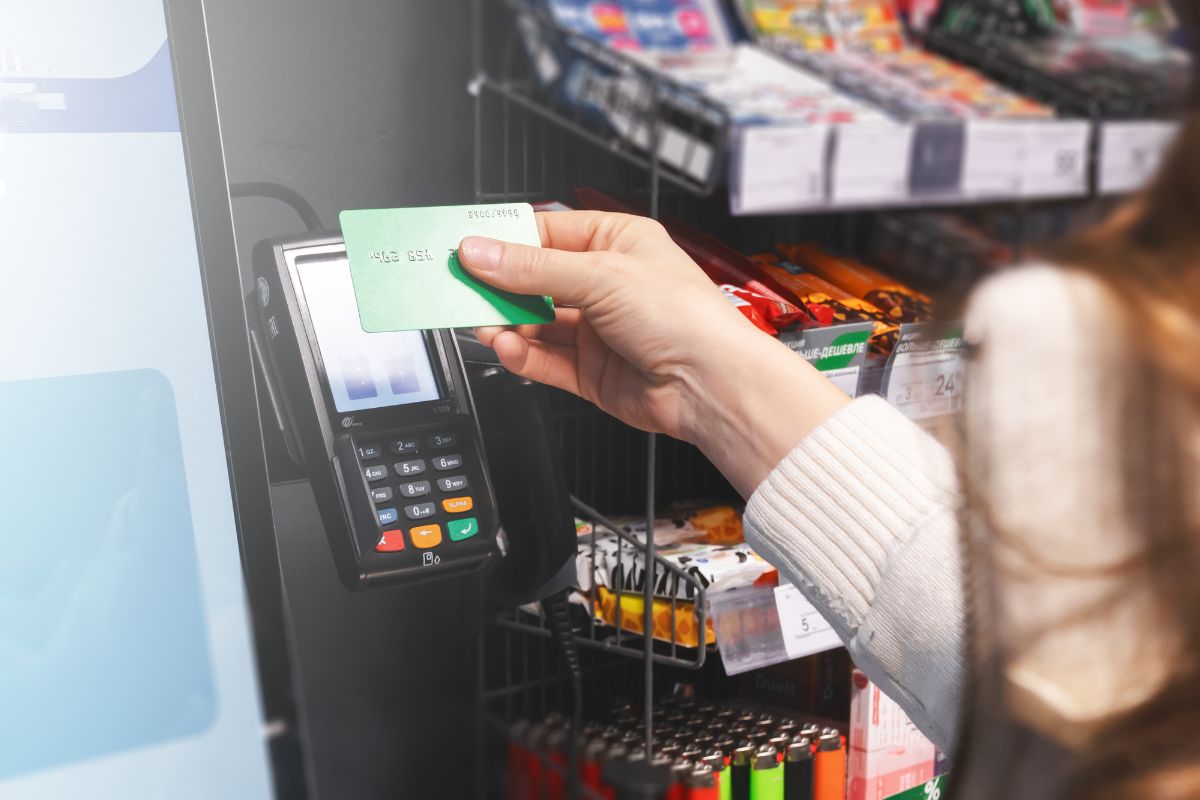
Most cold chain operators in Singapore are sitting on two problems at once, and they don’t even know it. The first one is obvious: temperature breaches. The second is quieter but just as damaging — a point of sale system that nobody is watching after hours.
These two things are more connected than people realize, and fixing one without the other leaves a gap that costs real money.
The Cold Chain Problem Is Bigger Than Your Freezers
Singapore imports over 90% of its food. On top of that, the city-state is a regional hub for pharmaceuticals, vaccines, and biomedical products — all of which need strict temperature control from warehouse to final delivery.
The Singapore Food Agency has set clear thresholds: frozen goods at -18°C with a core of no more than -12°C, and chilled goods at or below 4°C. These aren’t loose guidelines. They’re hard compliance requirements, and the penalties for falling short hit hard.
What makes cold chain failures particularly painful is how quietly they start. A compressor begins underperforming at 11 PM. Temperatures drift over two hours. By the time your first staff member walks in at 8 AM, the damage is done.
Globally, studies estimate that up to 20% of temperature-sensitive goods are wasted because of cold chain failures. For businesses in Singapore handling perishables or pharmaceuticals, that’s a significant hit to both revenue and reputation.
Singapore’s cold chain market was valued at USD 1.5 billion in 2024 and is projected to reach USD 5 billion by 2033. That growth tells you how much is at stake — and how many operators are going to be scaling up their infrastructure without necessarily scaling up their oversight.
What Your POS System Actually Has to Do With Cold Chain
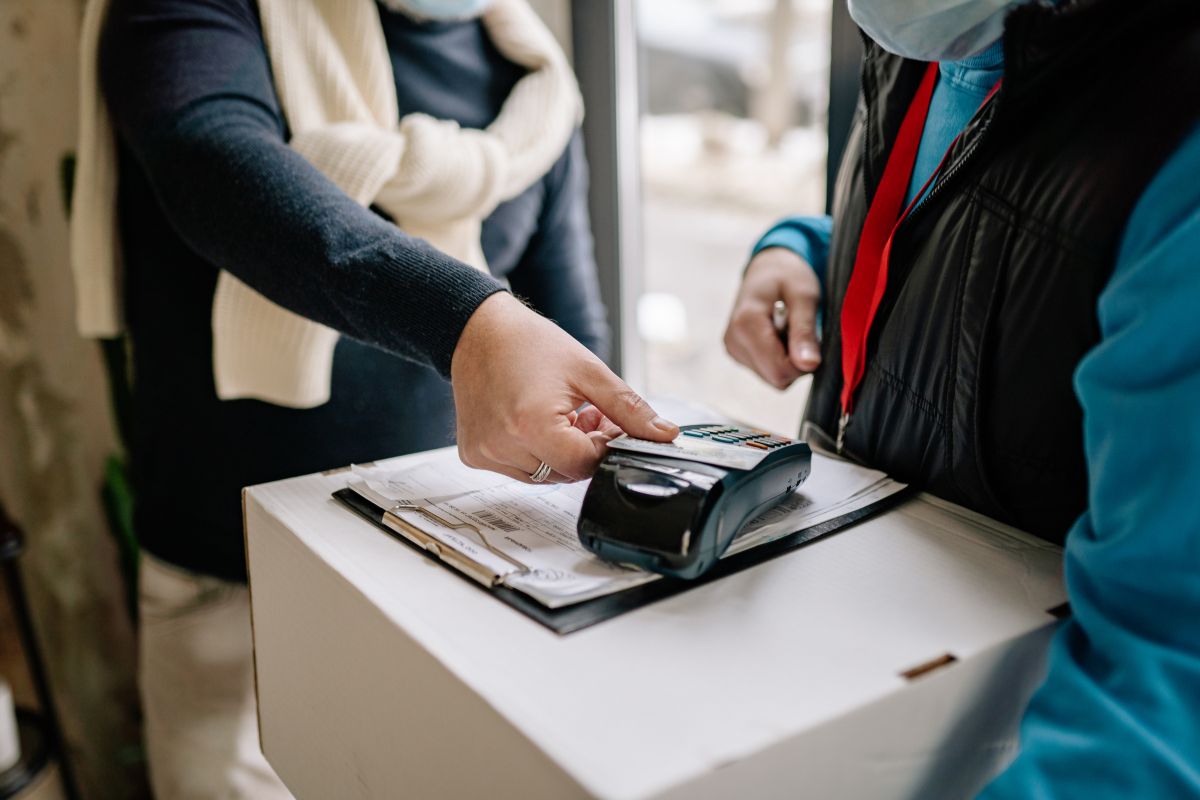
This is where it gets interesting. Most conversations about POS systems focus on the front end — the terminal, the cash register, the menu display, the order-taking flow. But in a logistics or fulfilment context, your POS system is doing a lot more than processing a transaction.
A modern POS system is the nerve center of your operation. It tracks inventory control in real time, updates stock levels seamlessly across every location, connects to your vendor records, and produces the analytics that tell you whether your margins are holding.
In a cold chain environment, that system is directly tied to what’s on your shelves — which means if those shelves are compromised, your POS system is the first place the damage shows up financially.
Here’s an example. Say a batch of frozen food items gets spoiled overnight. Your POS system still shows that stock as available. Orders get confirmed against inventory that’s now unsellable.
Your team only finds out in the morning. The customer has already received confirmation. Now you’re managing a complaint, a refund, a compliance issue, and a supply gap — all because no one caught the temperature breach in time.
The POS system didn’t cause the failure. But it’s where the failure becomes a business problem.
What the Best POS Systems in Singapore Actually Offer
Before getting into monitoring, it’s worth laying out what a strong POS system in Singapore looks like — because not all of them are built to support complex logistics operations.
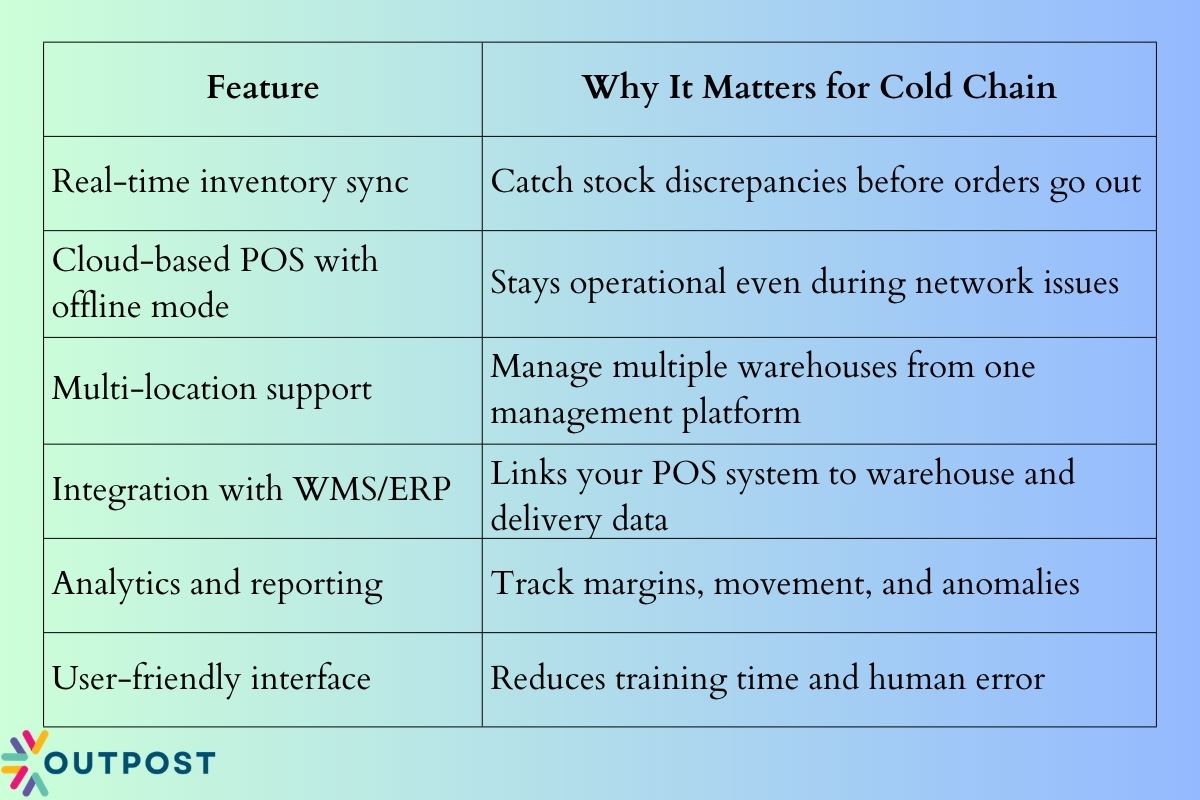
Some well-known POS systems like Sapaad, Lightspeed, and Touchbistro are built with food and beverage operations in mind.
Sapaad, for instance, is popular among quick-service and cafe operators for its restaurant management tools — including a kitchen display system that sends orders directly to the kitchen and supports self-ordering kiosk setups.
For an F&B business operating at scale, features like grabfood integration, ecommerce platforms connectivity, and a self-service ordering flow are increasingly standard.
Shopify works well for retail and f&b brands running ecommerce alongside their physical retail store presence. An all-in-one POS with CRM capabilities and the ability to upsell based on customer history is what separates a basic cash register from a genuine management system.
If you’re a retailer looking to streamline across both physical and digital channels, it’s worth getting a consultation before committing. Many vendors offer a free demo so you can see how well the system fits your workflow before signing anything.
Why Smart Automation Has Limits

IoT sensors, automated alerts, predictive analytics — these tools are genuinely useful. Smart automation has made cold chain monitoring far more reliable than it was ten years ago. But it has a ceiling.
Alert fatigue is real. When a system generates constant notifications, staff stop treating every one as urgent. Real problems get buried in noise.
A sensor glitch looks identical to an actual temperature breach on a dashboard. Without a trained person reviewing and triaging those alerts, you’re flying blind at the moments that matter most.
Human error also remains one of the top causes of cold chain failures. Staff forgetting to log temperatures. A storage door left slightly open. A freezer unit skipped during a routine check. Remote monitoring systems catch some of this — but they still need a human on the other end to act.
The adoption of smart automation across the logistics sector has been fast-paced, but the operational assumption that comes with it — that the system will handle everything — is where a lot of businesses get into trouble.
The After-Hours Gap Nobody Talks About
Most cold chain incidents happen when nobody is watching. That’s not a guess — it’s a pattern. Night shifts are short-staffed or nonexistent. Weekends have skeleton crews. A system alert fires at 2 AM and sits unread until Monday morning.
For SMEs especially, the manpower cost of running round-the-clock in-house monitoring is hard to justify. It’s not just salaries — it’s shift premiums, training, coverage gaps during leave, and the general complexity of managing a 24/7 team when your core business is logistics.
That’s where outsourced system monitoring becomes a real operational answer.
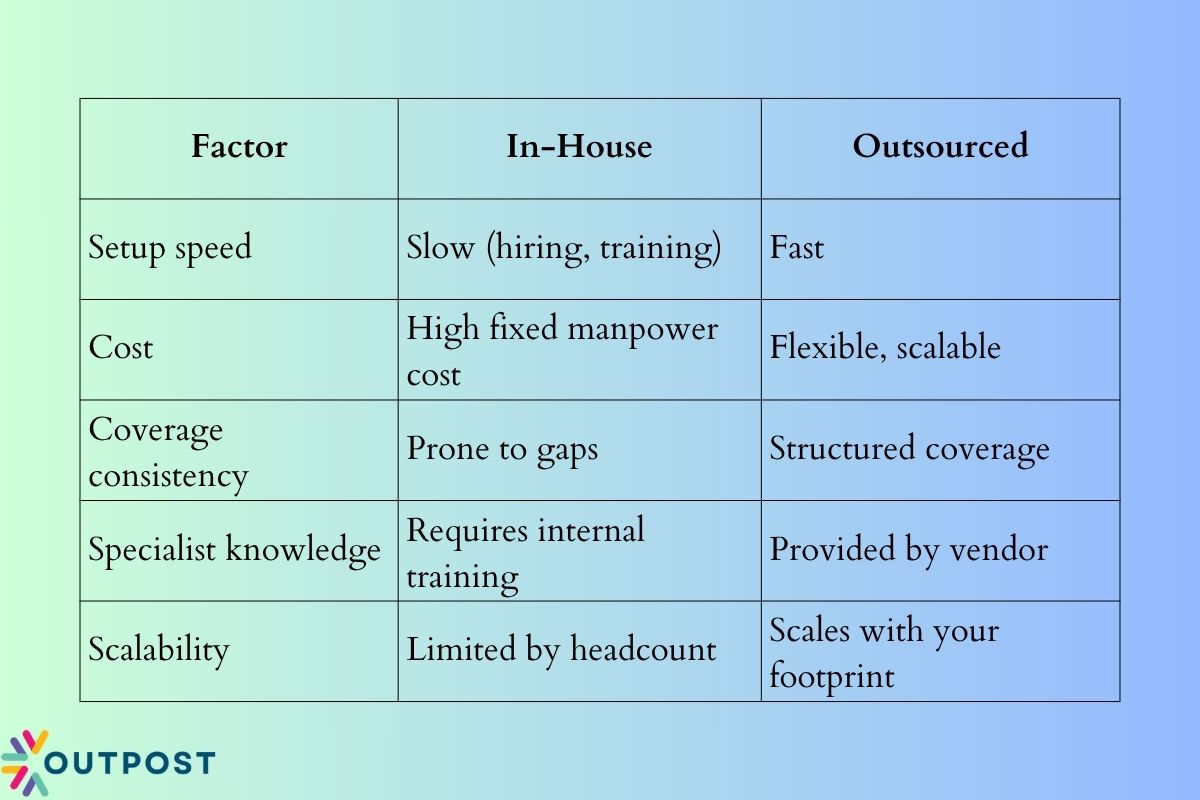
An outsourced monitoring team doesn’t replace your logistics staff. It covers the window where your tech support is unavailable, your alerts are going unread, and your POS system could be flagging errors that nobody will see for hours.
What Outsourced POS Monitoring Actually Looks Like
Outpost provides exactly this kind of support. Their outsourced call centre operates with scalable team coverage — up to 24/7 — which means your overnight system alerts go to a real person who knows what to do with them.
For a cold chain operator, that means someone receives the temperature breach alert, calls the on-call technician, documents the incident, and sends your team a summary report before the workday starts.
For a small business running a POS system across multiple outlets, it means someone catches a sync failure at midnight and escalates it before the morning fulfilment run pulls from corrupted inventory data.
Outpost’s data entry team applies automated validation and quality audits to the data they handle — which, in a cold chain context, translates directly to reviewing sensor logs, flagging inconsistencies, and keeping your records clean and compliant with SFA requirements.
This kind of work is easy to customize to the specific systems you’re running, whether that’s a warehouse management platform, a cloud-based pos, or a third-party vendor feed.
Being based in Singapore is a practical advantage here. Outpost’s team understands the local compliance environment, knows how Singaporean payment systems work, and can respond quickly because they’re in the same time zone.
There’s no lag, no cultural disconnect, and no ambiguity about what “SFA-compliant documentation” means.
The productivity solutions grant (PSG) is also worth exploring if you’re a small business looking to offset the cost of adopting outsourced support or upgrading to a pre-approved POS system.
The PSG covers tech adoption for SMEs across several categories, so it’s worth a consultation to see what applies to your setup.
Final Thoughts: The Real Fix Is Both Layers Working Together
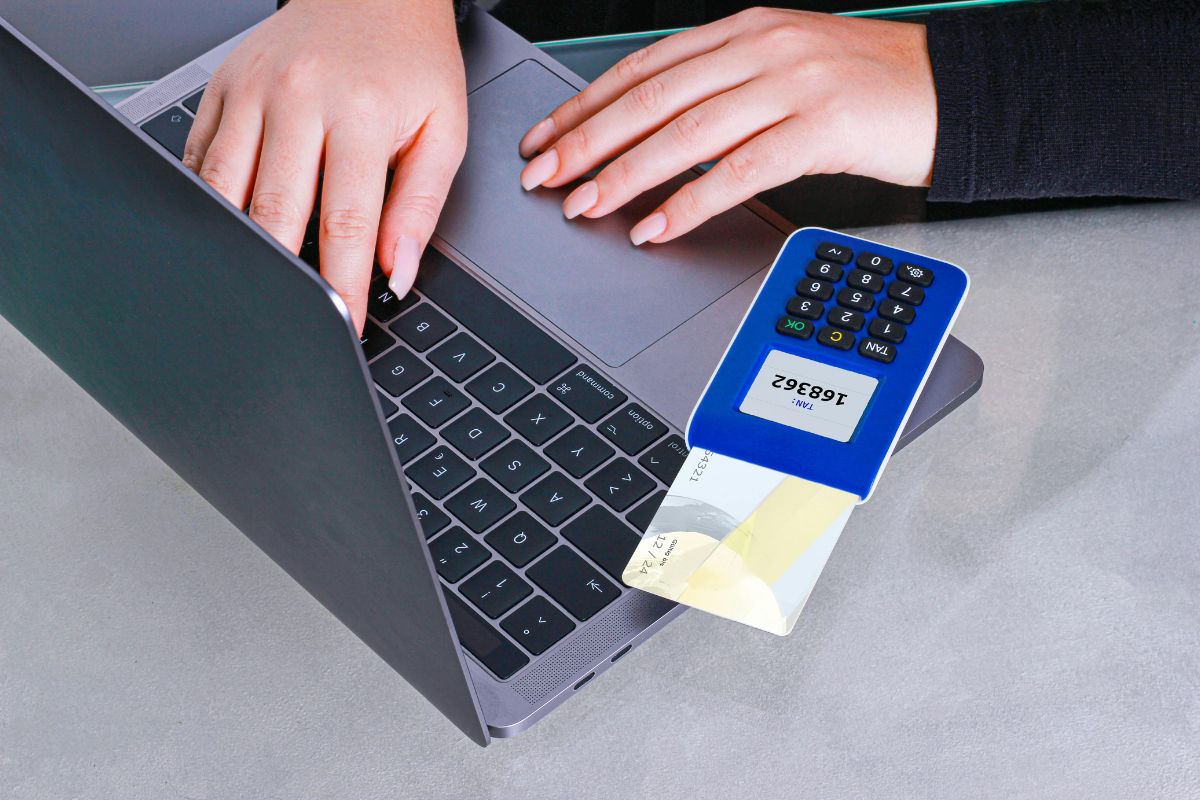
A reliable POS system is non-negotiable for any logistics or food and beverage operation that wants to stay competitive. But a POS system expert will tell you that the technology is only as good as the oversight sitting behind it.
The top POS solutions on the market today — whether you’re running a quick-service restaurant businesses setup, a bubble tea chain with multiple retail locations, or a cold chain fulfilment centre — are built to be user-friendly and easy-to-use.
They’re designed to streamline operations, support order-taking across every channel, and give retailers and restaurant owners real visibility into their numbers.
But when something goes wrong after hours, the system can only alert. A human has to respond.
That’s the piece most businesses in Singapore are missing. And it’s the piece that Outpost is built to provide.
If you want to see how outsourced monitoring can work alongside your existing POS system, reach out to Outpost for a consultation. The gap between your last staff member leaving and your first one arriving tomorrow morning doesn’t have to be unmonitored.
About the Author: Tansi G