


For logistics companies operating around the clock, workforce strain often begins when after-hours issues fall back on internal teams.
Urgent delivery exceptions, customer escalations, customs delays, and dispatch disruptions can quickly lead to fatigue, disengagement, and a higher turnover rate.
That is why many firms are turning to outsourced call handling support as a targeted strategy for retention.
Through after-hours hotline coverage, external support can help reduce employee turnover by easing operational pressure, improving work-life balance, and ensuring employees are not carrying 24/7 support burdens alone.
Why is reducing employee turnover important?
Employee turnover is costly in any industry, but in logistics, the consequences can be particularly disruptive, especially for departing employees.
Think for example, when experienced dispatch coordinators, warehouse supervisors, customer service staff, or transport planners leave, which can significantly impact the cost of replacing an employee and overall operational efficiency.
Businesses do not just absorb recruitment costs.
Turnover may significantly impact their bottom line as half of employees consider leaving due to unmanageable workloads.
They lose institutional knowledge, workflow continuity, and service reliability, which can be particularly detrimental during a specific period of organisational change.
Frequent turnover can also create gaps in shift coverage, slow response times, and place even greater strain on remaining employees, increasing the likelihood of further attrition and affecting the organisation’s overall productivity.
Reducing turnover matters because retention supports both operational performance and workforce resilience.
Employees who stay longer typically understand processes more deeply, respond better during disruptions, and contribute to stronger customer relationships.
In labour-tight markets such as Singapore, where logistics employers compete for skilled workers, retention of top talent can also become a competitive advantage.
There is also a wellbeing dimension.
Employees who experience constant interruptions, unpredictable schedules, or recurring after-hours demands are more likely to feel burnt out.
Many turnover decisions are not driven by compensation alone but by whether employees believe their workload is sustainable, which is crucial in implementing effective strategies to manage turnover.
This is where after-hours hotline support can play a practical role in retention.
Why Logistics Companies Struggle to Reduce Employee Turnover
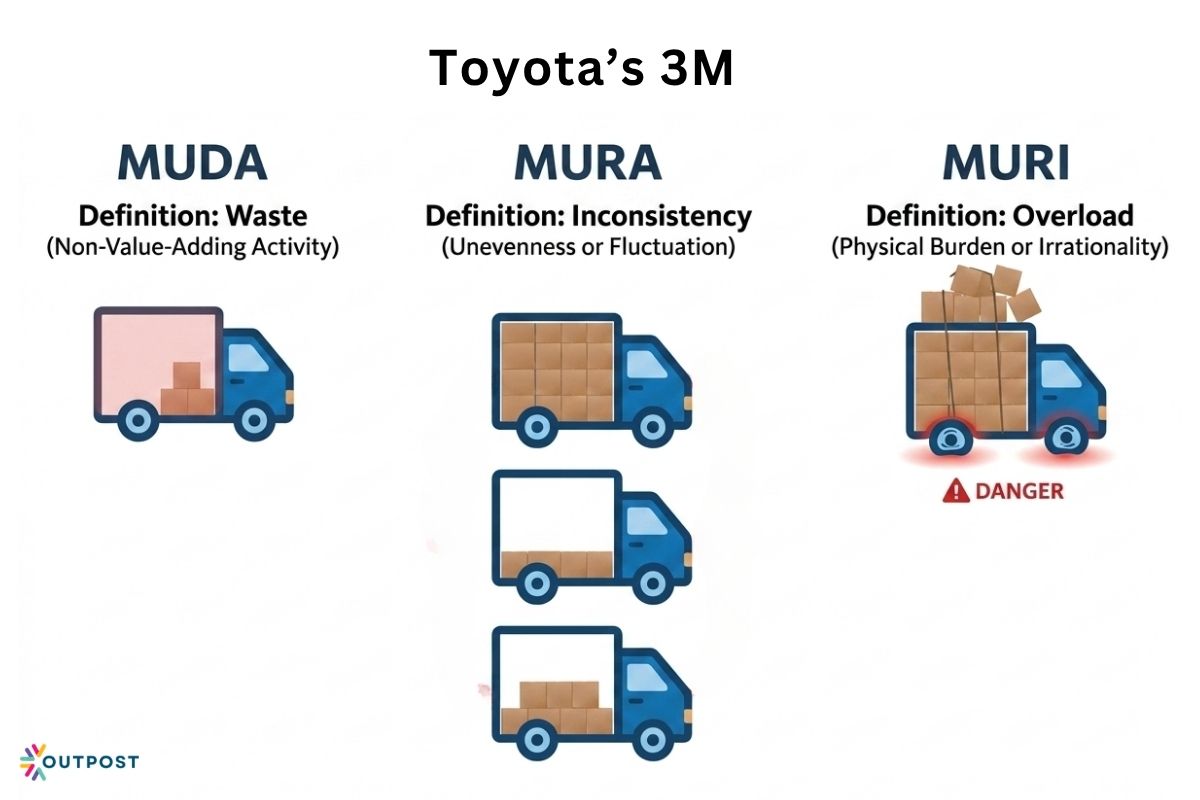
Have you heard the terms mura, muri, and muda?
Interestingly, the Toyota Production System (TPS) introduced a concept called the “3M framework.”
- Mura: unevenness or inconsistency in workflows, such as fluctuating demand or irregular scheduling that creates operational instability.
- Muri: Excessive workload can lead to high employee turnover if not addressed properly, highlighting the need for effective strategies to reduce employee strain.
- Muda: waste or non-value-adding activities, including inefficient processes, unnecessary tasks, or avoidable rework, can significantly impact employee experience and contribute to turnover.
This enhances workforce efficiency, optimises people analytics, and supports efforts to reduce employee turnover.
Effective strategies for managing workloads and supporting employees are vital for reducing turnover and improving productivity, ultimately decreasing the cost of replacing an employee.
Truly, overburdening people or systems, such as excessive workloads, unrealistic deadlines, or continuous after-hours pressure, can lead to lost productivity and high turnover rates.
Logistics is inherently vulnerable to turnover because the industry frequently experiences these 3Ms, leading to high employee turnover if not managed effectively.
Shipments move across time zones, customers expect rapid updates, and disruptions do not wait for office hours.
As a result, internal employees often absorb after-hours escalations, even when they are not formally scheduled to do so, which can lead to involuntary turnover and negatively affect employee sentiment.
One major challenge is workload spillover, which can disengage employees from their growth opportunities.
A dispatcher finishing a day shift may still receive calls about delayed deliveries at night, which can lead to increased stress and potential resignation.
Customer support teams may handle urgent consignee requests long after operating hours.
Managers may be pulled into emergency problem-solving during weekends, which can affect their sense of value and increase the risk of voluntary turnover.
Over time, this blurs boundaries between work and personal life, making it essential to address turnover proactively.
7 Ways After-Hours Hotline Support Helps Reduce Employee Turnover in Logistics

1. Reduces Burnout Caused by After-Hours Escalations
Burnout is a major driver of turnover, particularly when employees feel they are permanently on standby.
In logistics, after-hours escalations can include delivery failures, customs exceptions, urgent client requests, or fleet disruptions.
If these issues routinely fall on internal employees, fatigue can accumulate quickly.
After-hours hotline support helps by transferring first-line issue handling to an outsourced team trained to manage those calls, allowing internal staff members to focus on strategic initiatives.
Instead of waking internal staff for every exception, hotline agents can triage situations, follow escalation protocols, and only involve internal personnel when necessary.
For example, a Singapore freight operator managing overnight port-related disruptions could use outsourced hotline support to capture incidents, reassure customers, and escalate only critical matters, thereby implementing strategies to reduce employee turnover.
This reduces unnecessary interruptions and helps prevent the exhaustion that often leads employees to leave, as revealed in exit interviews, where turnover is rarely attributed to a single factor.
2. Helps Reduce Employee Turnover Through Better Work-Life Balance
Work-life balance has become a central retention factor, particularly for employees managing demanding schedules.
It is crucial for maintaining high employee engagement, as many employees report that it influences their decision to stay.
Employees who feel valued are less likely to experience voluntary turnover.
When workers expect that their personal time may be interrupted by calls or emergencies, job satisfaction often declines, leading to a higher turnover rate.
After-hours support improves predictability and can enhance overall employee engagement.
Employees know that customer queries and operational issues have structured coverage beyond office hours.
That reduces anxiety about being constantly reachable and allows staff to disconnect properly.
For logistics firms, this matters because predictable schedules are often more valuable than occasional incentives, helping employees feel valued and decreasing voluntary turnover, which can be costly for the organisation’s annual salary budget.
A transport coordinator who no longer has to monitor after-hours calls is likely to experience lower stress and stronger commitment to staying.
In competitive labour markets such as Singapore, implementing effective strategies can make a meaningful difference in efforts to reduce employee turnover and identify root causes.
3. Reduces Overtime Costs and On-Call Fatigue
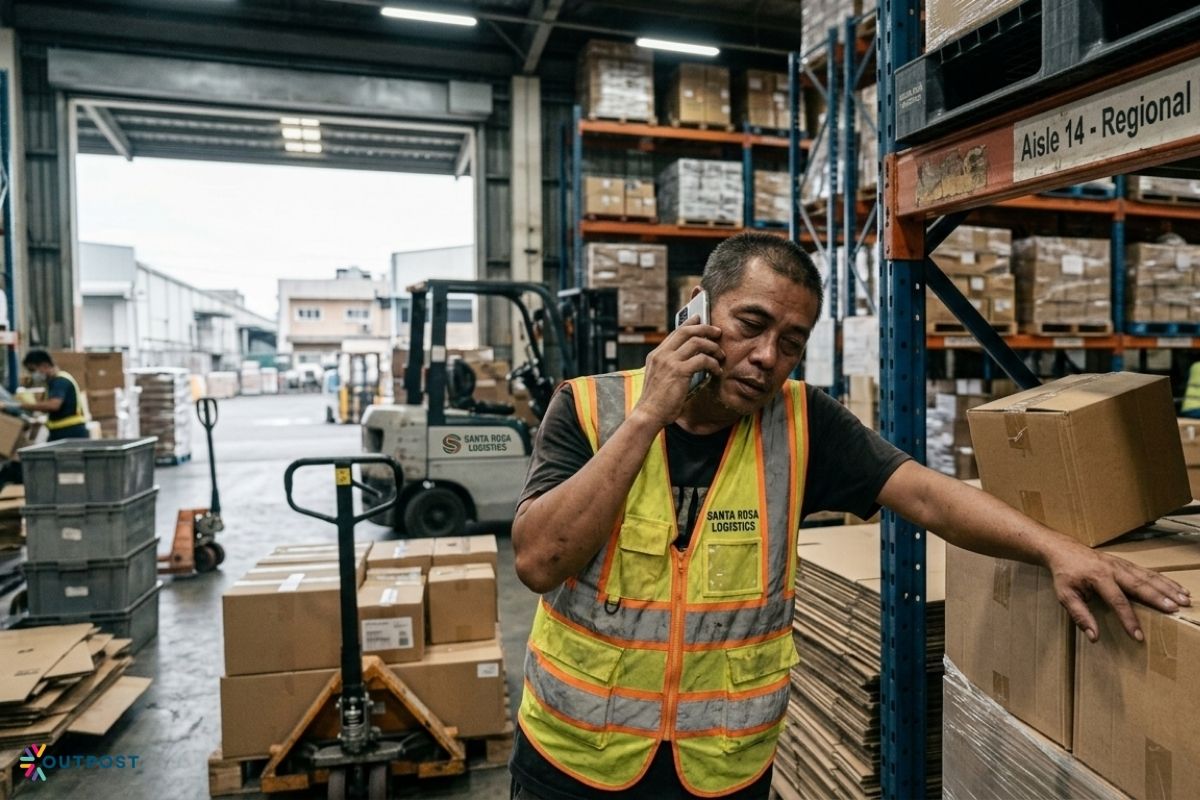
Many logistics businesses rely on internal teams to absorb after-hours demands through overtime or rotating on-call duties, which can negatively impact employee engagement and productivity.
While this may appear manageable initially, it often creates hidden costs:
- Higher payroll expenses can be mitigated by reducing turnover and improving employee engagement through effective strategies.
- Fatigue-related mistakes can lead to increased turnover, as replacing an employee can range from one-half to two times their salary.
- Growing employee resentment can lead to turnover if not addressed through recognition programs and support.
Outsourced hotline support can alleviate the burden on internal teams, allowing them to focus on career development and employee engagement.
Rather than stretching internal teams to cover unpredictable demand, businesses gain dedicated coverage at a more structured cost and organisational development.
This is particularly useful during peak periods such as holiday surges or e-commerce spikes, when call volumes and delivery exceptions often increase.
Instead of asking internal employees to absorb more hours, companies can scale support through outsourced teams, effectively reducing the workload and improving employee experience.
Reducing excessive overtime does not just control costs.
It also reduces a common source of turnover, which can be identified in exit interviews.
Employees who do not feel routinely overextended are more likely to remain engaged, as they are less likely to choose to leave.
4. Improves Employee Satisfaction by Letting Staff Focus on Core Work
For many companies, most employees tend to stay when their roles feel meaningful and manageable.
They are more likely to leave when too much time is spent reacting to avoidable disruptions.
After-hours hotline support improves job quality by removing routine interruptions and allowing employees to focus on core responsibilities, ultimately enhancing their career paths.
- Dispatchers can prioritise routing decisions.
- Customer teams can strengthen service relationships, which can lead to improved employee engagement and lower turnover rates.
- Warehouse supervisors can focus on operational efficiency rather than constant reactive problem-solving, which can help reduce the cost of replacing an employee and ensure that employees want to stay.
Addressing turnover risks can significantly improve workplace morale.
Improved employee satisfaction and performance can be measured through HR surveys, which can include feedback from employees who have left.
Employees often feel more motivated when their expertise is applied to higher-value work instead of repetitive after-hours issue handling, which is crucial for organisational development.
For logistics businesses, this matters because improving job design can be just as important as improving pay when trying to reduce employee turnover.
5. Strengthens Crisis Support During Operational Disruptions
Operational disruptions are often when turnover risk intensifies.
Think of crises like vehicle breakdowns, shipment delays, customs holds, or weather-related disruptions.
Internal teams may face overwhelming pressure, which can result in burnout.
Employees may eventually leave the organisation as they are feeling undervalued..
After-hours hotline support adds resilience during these moments and helps to ensure that employees feel valued, thereby reducing voluntary employee turnover.
Instead of forcing internal employees to absorb every incoming issue, outsourced teams can manage inbound communication, log incidents, provide updates, and route critical cases according to escalation rules.
This helps prevent crisis periods from becoming burnout events, addressing turnover and promoting employee well-being.
For example, if a Singapore distributor faces overnight delivery disruptions during a port congestion event, outsourced hotline support can handle customer communications while internal teams focus on resolution.
That separation reduces stress and helps protect employee morale during high-pressure situations, contributing to a healthier work environment.
6. Supports Managers and Supervisors, Not Just Frontline Staff
Who says that managers are immune to burnout?
The reality is, they might also feel overwhelmed and choose to leave if support is lacking.
Turnover discussions often focus on frontline employees, but supervisors and managers also face retention risks.
In logistics, middle managers often carry the burden of after-hours decision-making, escalation handling, and staff coordination, which can contribute to high employee turnover if they do not feel supported.
When these leaders are overextended, the consequences can cascade across teams.
After-hours hotline support reduces this burden by absorbing routine escalations before they reach management. Supervisors are involved only when operational decisions truly require intervention.
This allows managers to focus on coaching teams, improving workflows, and supporting employees rather than constantly responding to reactive issues, which could have done something to prevent burnout.
Supporting leadership retention matters because stable managers often improve broader employee retention as well, particularly during the onboarding process of new hires.
When managers are less stressed and more available, teams tend to perform better and stay longer, positively impacting employee engagement.
7. Creates a Retention-Friendly Culture That Helps Reduce Employee Turnover
Retention is influenced not only by workload but by how employees perceive organisational support.
When a company invests in systems that protect employee wellbeing, employees often interpret that as a sign they are valued.
After-hours hotline support can reinforce this message. It signals that the organisation is not expecting employees to carry unreasonable support demands alone.
This contributes to a more retention-friendly culture, one built around sustainability rather than constant availability.
This can help reduce resignation rates and ultimately lower the costs associated with replacing an employee, which can range from one-half to two times their annual salary.
It can also support the onboarding process by ensuring new hires feel welcomed and valued from day one. employer branding.
In markets where logistics firms compete for talent, demonstrating flexible, employee-conscious work design can improve both attraction and retention, reflecting positive employee sentiment.
Reducing turnover often depends on small signals that shape trust and boost employee retention and overall performance.
Structured after-hours support can be one of those signals that help employees feel valued and reduce voluntary employee turnover, thereby improving the organisation’s overall retention strategies during a specific period.
What to Look for in a Partner That Helps Reduce Employee Turnover

Not all providers contribute equally to retention outcomes, and those that implement recognition programs often see higher employee engagement.
If the goal is not just service coverage but helping reduce employee turnover, businesses should assess partners beyond basic call answering.
👉 Look for structured escalation management.
This is an effective strategy to enhance employee engagement and reduce turnover, allowing teams to identify and address issues proactively.
A provider should be able to triage issues, follow agreed protocols, and avoid escalating routine matters unnecessarily, as employees want to stay engaged and committed.
👉 Consider industry familiarity and employee sentiment.
Providers that understand logistics workflows—dispatch operations, shipment exceptions, delivery coordination—can often deliver more meaningful support through analytics that improve efficiency and help address turnover risks.
👉 Assess scalability.
This ensures that the number of employees can adapt to changing demands.
After-hours demand can surge during disruptions or peak seasons, so a partner should be able to flex with demand to manage turnover effectively.
👉 Evaluate reporting and visibility.
Good partners do not just answer calls; they generate insights on recurring issues, workload patterns, and after-hours pressure points that can help address turnover risks.
Finally, consider whether the provider can integrate as an extension of your team to improve the overall employee experience through stay interviews.
Many outsourced teams, including Singapore-based providers, support hybrid models where internal employees retain control while outsourced teams manage frontline after-hours activity, enhancing career development opportunities.
That model is often where retention value is strongest, providing clear career paths for employees and utilising people analytics to track progress.
Let’s Sum It Up
After-hours hotline support is not simply about answering calls when offices close.
For logistics companies, it can help reduce employee turnover by easing burnout, improving work-life balance, supporting managers, and strengthening operational resilience, ultimately enhancing employee engagement.
When outsourced teams absorb after-hours pressure, businesses often gain something equally valuable as service continuity: a workforce more likely to stay.
About the Author: Tansi G