

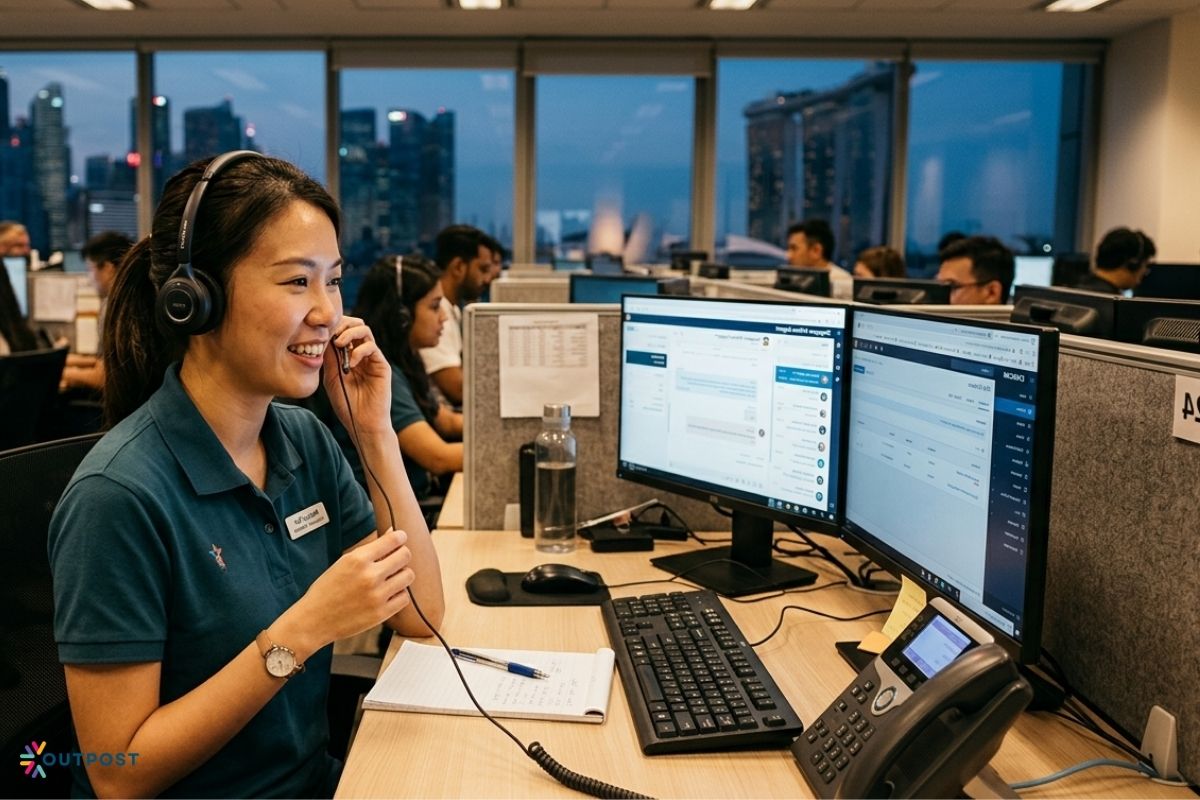
In the hospitality industry, service does not end when the front desk closes, especially for those enrolled in a customer loyalty platform.
It simply shifts channels.
Today’s customers expect immediate responses at any hour, and this expectation directly influences client loyalty programs and repeat bookings.
Whether it’s a late check-in issue, a booking modification, or an urgent complaint, silence outside business hours can quickly erode trust.
In Singapore’s highly competitive hospitality landscape, where hotels, serviced apartments, and boutique stays compete on experience as much as price, after-hours responsiveness has become a key differentiator.
This is where after-hours call handling support plays a critical role, ensuring that guest communication continues seamlessly even when internal teams are offline, protecting both satisfaction and long-term loyalty.
Customer Loyalty Programme Examples
A customer loyalty program in hospitality is a business strategy that uses different ways to attract customers and enhance brand reputation.
It often takes the form of structured rewards programs designed to encourage customers to return and engage more frequently.
Common examples of a loyalty reward program include tiered systems where guests progress through a loyalty tier, unlocking benefits such as access to sales, room upgrades, late check-out, or an exclusive perk.
Others provide discounts and free exclusive merchandise or access to new products to engage with customers and enhance customer relationships, often through points for purchases.
Many programmes allow guests to earn points for every dollar spent in every booking, which can later be redeemed to reward customers with discounts or free products.
Hotels also offer early access to promotions, seasonal packages, or special events for loyal customers as part of their engagement and loyalty strategies. These mechanisms help strengthen emotional connection while driving repeat bookings and long-term retention, ultimately increasing the average order value through tiered loyalty programs.
Why After-Hours Support Matters for Client Loyalty Programs in Hospitality
After-hours support is no longer a “nice-to-have” in hospitality.
It’s a structural component of modern service delivery and is crucial for the best loyalty programs. Guests rarely operate on a 9-to-6 schedule, especially in a global travel hub like Singapore, where arrivals and departures happen day and night.
Think, for example, when guests experience booking issues, how do you think the absence of support can shape their impression of the brand?
This is especially important for a customer loyalty program, where repeat bookings, membership retention, and customer satisfaction depend on consistent service experiences across every touchpoint and the rewards program called transparency.
After-hours hotlines bridge this gap by ensuring that hospitality businesses remain reachable, responsive, and reliable at all times.
Increasingly, hotels and serviced apartment operators also turn to outsourced customer support.
Providers can maintain this round-the-clock availability without overstretching internal staff, ensuring that customers keep coming back for more.
The result? A more resilient guest experience system that directly supports loyalty building also incorporates benefits like exclusive discounts and rewards and benefits for loyal customers.
Now, without further ado, here are the seven benefits of after-hours hotlines in strengthening client loyalty.
1. Ensuring 24/7 Guest Responsiveness in Client Loyalty Programs
One of the most immediate benefits of after-hours hotlines is uninterrupted guest responsiveness.
In hospitality, responsiveness is often equated with care, which enhances the types of loyalty guests feel towards the brand and its customer loyalty platform.
If a guest feels heard quickly, they are more likely to remain loyal.
For client loyalty programs, this matters because engagement does not pause when staff go off duty, and customers can redeem their points even during off-hours.
A guest may arrive at midnight, experience difficulty accessing their room, or need urgent assistance with their reservation, and in such cases, they expect priority customer service.
Without a hotline, these moments become friction points that weaken the guest relationship.
In Singapore, this is especially relevant for serviced apartments in areas like Orchard, Bugis, and the Central Business District, where international travellers frequently check in late due to flight schedules.
A 24/7 hotline ensures immediate acknowledgement and resolution, whether it is guiding a guest through self-check-in or escalating a maintenance issue.
Outsourced teams often support this function by ensuring trained agents are always available to answer calls, maintaining service continuity and protecting guest trust.
2. Reducing Missed Bookings and Enquiries
Missed enquiries are one of the most overlooked sources of revenue loss in hospitality.
A potential guest calling after hours may simply move on to another hotel if their call goes unanswered.
Over time, these missed interactions directly weaken client loyalty programs, as fewer first-time guests transition into repeat customers.
After-hours hotlines help capture these opportunities by ensuring every enquiry is answered, logged, and followed up. This includes last-minute bookings, stay extensions, and special requests that often come in outside working hours.
In Singapore’s tourism-driven economy, this is particularly important during peak inbound travel windows, where successful loyalty programs can enhance guest experiences. For example, a traveller landing at Changi Airport late at night may still be searching for accommodation in real time.
Through a tiered rewards program, guests can enjoy additional benefits that enhance their loyalty experience.
Call handling support is essential for ensuring that customers can reach out for priority customer service at any time. Companies can secure that booking immediately, while also shaping the guest’s perception of reliability and professionalism, which helps keep your customers satisfied.
By ensuring no call goes unanswered, hospitality businesses convert more enquiries into confirmed stays, strengthening the foundation of their loyalty ecosystem.
3. Strengthening Guest Trust Through Faster Problem Resolution
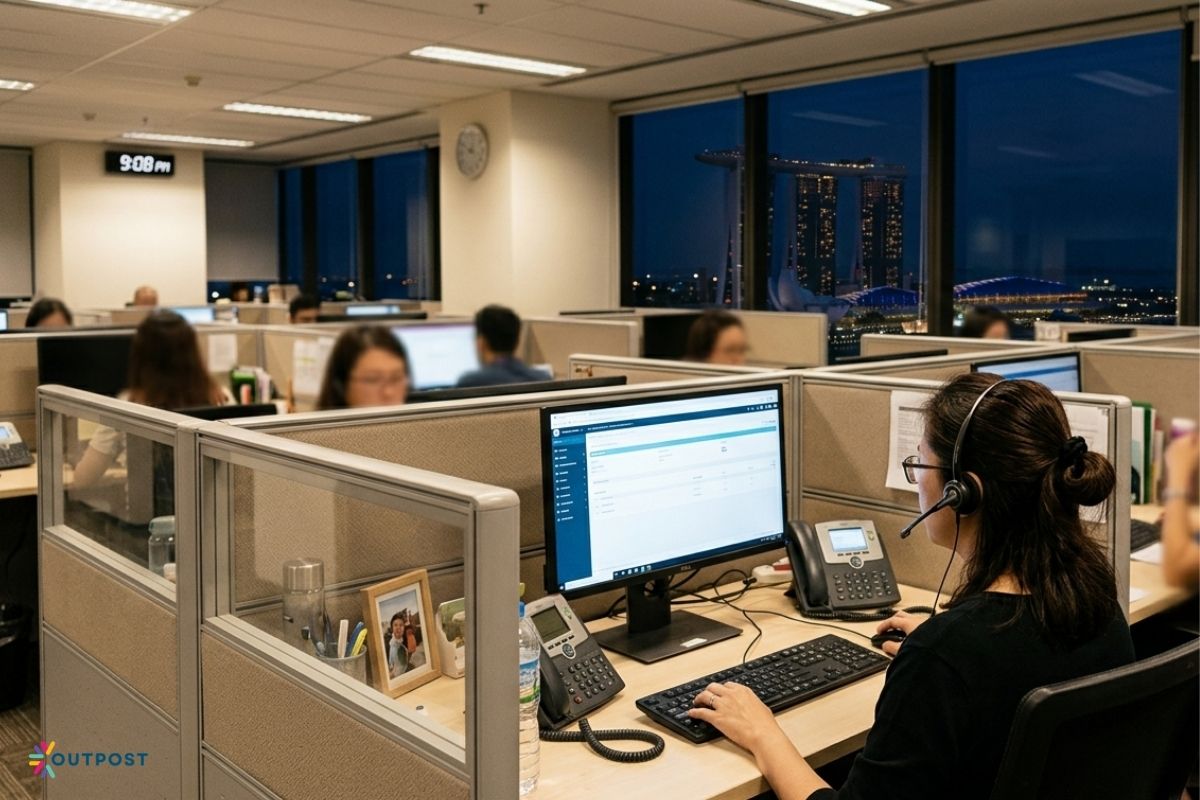
Trust is one of the strongest drivers of loyalty in hospitality.
Guests do not expect perfection, but they do expect fast resolution when something goes wrong to maintain their brand loyalty, especially when they are offered benefits like free nights or upgrades. This is where after-hours hotlines become essential.
In client loyalty programs, trust is built through consistency in handling issues, not just rewards or discounts.
A delayed response to an urgent problem, such as a broken air-conditioning unit or a booking error, can significantly impact a guest’s willingness to return, especially if they are part of a loyalty program without adequate support.
In Singapore, where service standards are generally high, expectations are even sharper, particularly for those who are loyalty program members.
A guest staying in a hotel near Marina Bay or Sentosa expects immediate attention regardless of the time, as part of a tiered rewards program.
After-hours hotlines ensure that issues are acknowledged instantly and escalated to the appropriate teams without delay.
This rapid response mechanism reassures guests that their concerns matter at any hour, reinforcing the types of loyalty that can develop through attentive service.
More importantly, customers’ emotional trust in the brand can increase.
Over time, this trust translates into higher retention rates and stronger participation in loyalty programs, including subscription-based loyalty options.
4. Supporting Brand Consistency in Client Loyalty Programs Across All Touchpoints
Consistency is a cornerstone of effective customer loyalty programmes and is essential for creating successful loyalty initiatives that offer benefits like free nights and exclusive discounts. Guests expect the same level of professionalism whether they are interacting with front desk staff at noon or a hotline agent at 2 a.m.
After-hours hotlines help maintain this consistency by standardising communication protocols, response scripts, and escalation processes for loyalty program members, ensuring that support is easy for the customer.
This ensures that every guest interaction aligns with the brand’s service standards, regardless of timing or channel.
In hospitality operations, inconsistency often arises during shift changes or off-hours coverage gaps.
Outsourced support teams help eliminate this issue by maintaining dedicated 24/7 service coverage, ensuring that no interaction feels disconnected from the overall brand experience.
Providers typically structure their support systems around defined service-level agreements and training frameworks, which help ensure uniformity across all guest interactions, a key feature of successful loyalty programs.
For hospitality brands, this consistency strengthens recognition, reliability, and ultimately loyalty across every guest touchpoint.
5. Improving Guest Experience During Peak Travel Seasons in Client Loyalty Programs
Peak travel seasons create pressure on hospitality teams.
In Singapore, events such as the Formula 1 Grand Prix, major conventions, and year-end holidays can dramatically increase occupancy rates and guest enquiries.
During these periods, internal teams are often stretched thin, leading to slower response times and reduced service quality, which can negatively impact customer spend.
This can negatively affect loyalty programs, especially when guests feel neglected during high-demand periods.
After-hours hotlines act as a scalable buffer, absorbing overflow enquiries and ensuring that guest communication remains uninterrupted, which is vital for successful loyalty.
Whether it is handling late-night check-in issues or responding to high volumes of booking requests, these hotlines help maintain service standards even under pressure.
For example, hotels in Marina Bay or Orchard Road often experience fully booked conditions during major events, making it crucial for them to implement tiered loyalty programs.
A well-managed hotline ensures that even when physical staff are overwhelmed, guest support remains responsive and reliable, thereby enhancing the customer experience for loyalty program members.
This operational flexibility directly contributes to a more stable and positive guest experience.
6. Enabling Better Data Capture and Insights for Customer Satisfaction
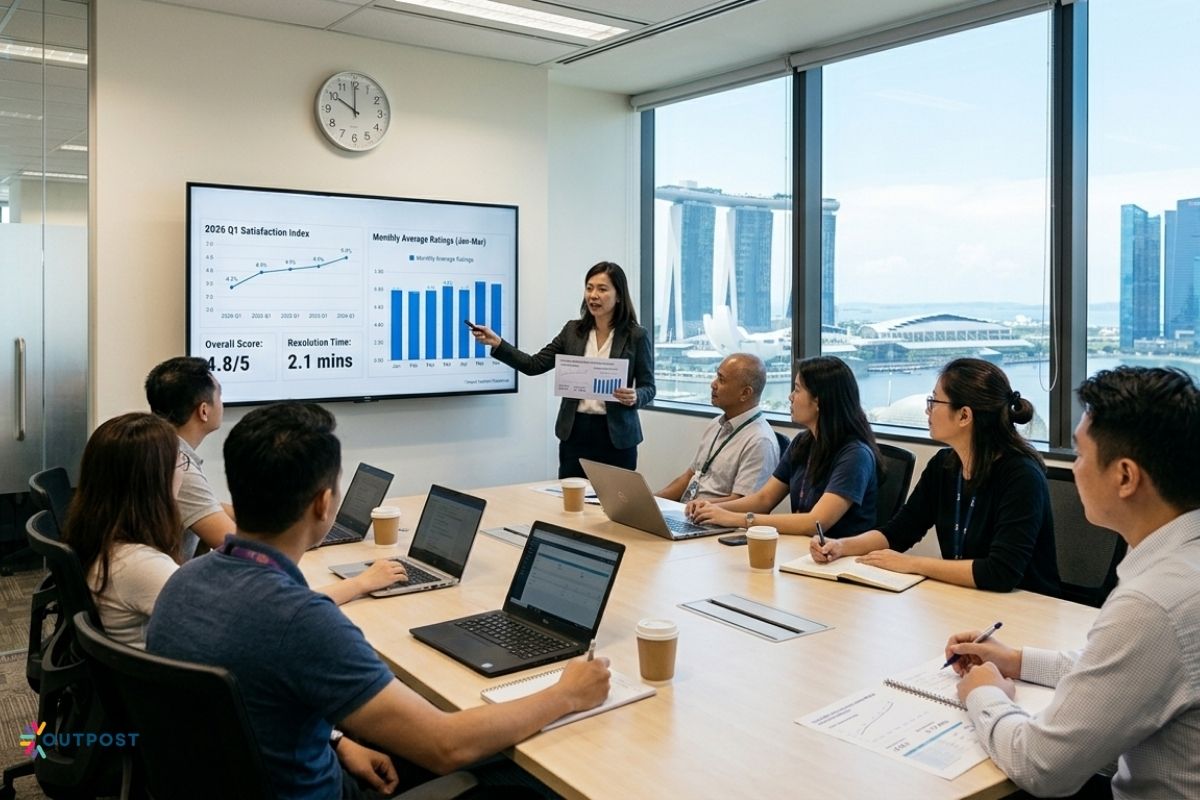
Beyond immediate support, after-hours hotlines also play an important role in data collection.
Every interaction provides valuable insight into guest behaviour, preferences, and recurring issues, helping to make customers feel valued.
For client loyalty programs, this data is essential. It helps hospitality operators identify patterns such as frequent complaints, peak enquiry times, and common service gaps.
Over time, these insights can inform improvements in operations, marketing strategies, and personalised guest experiences.
In Singapore’s increasingly data-driven hospitality sector, this information is often integrated into CRM.
This is essential for implementing successful loyalty programs, especially those that resemble Sephora’s loyalty program, which offers tiered benefits.
Implementing systems to support targeted loyalty initiatives is essential for maximizing the benefits of a loyalty program.
For instance, if data shows repeated late-night booking issues, operators can refine their digital booking systems or adjust staffing models to enhance the benefits of a loyalty program called timely service.
Outsourced hotline providers typically log and categorise interactions systematically, making it easier for hotels to analyse trends and improve service delivery at scale
7. Enhancing Service Recovery Speed in Client Loyalty Programs
Service recovery is one of the most powerful drivers of long-term loyalty and is a key aspect of successful retail loyalty programs.
A well-handled complaint can turn a dissatisfied guest into a repeat customer.
However, timing is critical for optimising customer spend and enhancing the effectiveness of loyalty programs, particularly in creating a program that fosters brand loyalty through exclusive discounts and free offers.
The faster the response, the better the outcome, making it easy for the customer to feel valued.
After-hours hotlines ensure that service recovery begins immediately, rather than waiting until the next working day. This responsiveness can significantly influence guest perception.
For example, a guest experiencing a booking error at midnight in a Singapore hotel can have the issue resolved or compensated immediately through hotline escalation.
This prevents frustration from escalating into negative reviews or brand disengagement.
Fast recovery demonstrates accountability and care, both of which strengthen emotional loyalty and can lead to increased loyalty points for guests.
Over time, guests are more likely to return to brands that resolve issues efficiently and respectfully.
Best Practices and Tips for Any Customer Loyalty Program
A strong loyalty program should be built around long-term customer retention and improving customer lifetime value, not just short-term discount incentives.
Programs are often supported by an after-hours hotline, which can help a small business create a customer loyalty, support loyalty program sign-ups, increase customer loyalty, and address customer needs.
Companies establishing an after-hours program is another way to enhance market competitiveness.
Businesses should design a clear loyalty strategy that fits their customer base. Benefits through a tiered loyalty system, a points-based loyalty program, or a value-based loyalty program that rewards meaningful engagement over transactions.
A well-structured membership program helps both new customers and returning users feel included, while driving consistent customer engagement over time with tiered programs that offer benefits like free upgrades.
Effective loyalty programs offer rewards that feel relevant, such as free shipping, early access, or even exclusive product launches.
When customers earn points, they should clearly understand what the customer gets in return, so the value exchange is transparent.
The best systems ensure customer experience remains seamless, so customers feel appreciated rather than pressured, and can enjoy benefits like early access to promotions.
Ultimately, a strong program improves satisfaction, strengthens emotional loyalty, and encourages repeat behaviour that benefits both the business and its loyal customer base, particularly through early access to sales.
Final Thoughts
After-hours hotlines are truly an essential extension of hospitality brands to enhance their engagement and loyalty initiatives. client loyalty programs.
In a market like Singapore, where expectations are high and competition is intense, the ability to respond instantly at any hour can significantly influence guest perception and long-term retention, especially with subscription-based loyalty programs.
From capturing missed bookings to strengthening trust and enabling faster service recovery, these hotlines ensure that hospitality businesses remain present even when their physical teams are not, providing benefits like early access to exclusive discounts.
When supported by structured systems and outsourced expertise, they become a scalable way to deliver consistent, reliable guest experiences—ultimately turning one-time guests into loyal, returning customers.
About the Author: Tansi G