


For hotels, one missed guest call can easily turn into a lost booking, a poor review, or a dissatisfied customer.
In Singapore’s highly competitive hospitality landscape, this risk is driving hotels to adopt smarter communication systems, including VoIP call solutions and outsourced support models provided by local solutions providers.
Increasingly, operators in Singapore are investing in VoIP phone solutions paired with outsourced teams to ensure every guest interaction is captured and managed in real time.
This combination allows hotels to extend service quality beyond the front desk, ensuring responsiveness, consistency, and operational efficiency even during off-peak hours.
What is VoIP?
Voice over Internet Protocol or VoIP is a transformative technology for global business communication and collaboration.
Basically, it’s a communication technology that enables voice calls to be made over the internet instead of traditional telephone lines.
In a hotel environment, a VoIP phone system replaces legacy PBX infrastructure with a cloud-based platform that integrates calls, messaging, analytics, and customer data into a single ecosystem, enhancing the local presence.
Unlike conventional systems, VoIP allows hotels to set up advanced features like voicemail and IVR for improved guest interaction, essential for maintaining a competitive edge in the contact centre industry.
- Route calls dynamically to different departments or outsourced teams
- Record and store conversations for quality monitoring and compliance, especially when using a VoIP solution that supports these features, such as those provided by Velox Networks, a leading VoIP provider in Singapore.
- Integrate with Property Management Systems (PMS) and Customer Relationship Management (CRM) platforms to enhance the effectiveness of your VoIP call solution, utilizing key features like call recording.
- Scale communication capacity without physical hardware upgrades by leveraging cloud PBX solutions that enhance unified communications and improve voice quality.
For hotels, this means communication is no longer confined to a physical front desk, enabling seamless interactions through a VoIP solution, including virtual phone options.
Instead, it becomes a digital, cloud-driven service layer that can be accessed and managed remotely by internal staff or outsourced monitoring teams, providing VoIP capabilities.
This flexibility is especially valuable in Singapore’s hospitality sector, where guest expectations are high and service responsiveness is a competitive differentiator, supported by hosted PBX solutions.
Why Hotels in Singapore Are Turning to VoIP Phone Solutions for Monitoring Support
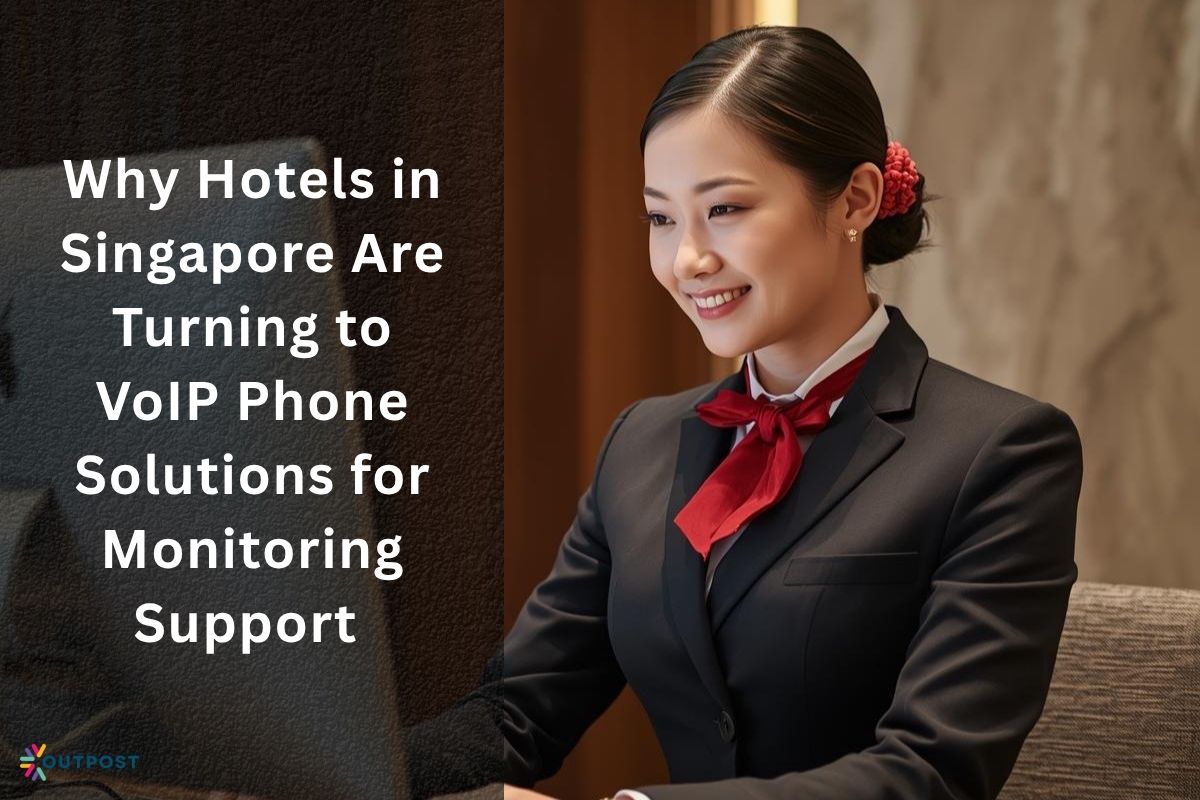
Hotels in Singapore operate in a unique environment defined by high tourist turnover, multinational guests, and strong service expectations.
At the same time, rising labour costs and staffing shortages have made it increasingly difficult to maintain large in-house call handling teams, prompting a shift towards user-friendly business tools.
As a result, many hotels are shifting toward the best VoIP services available in Singapore, such as those offered by M1 and StarHub.
VoIP phone solutions combined with outsourced monitoring teams help maintain service quality while improving operational efficiency using the right VoIP provider.
This hybrid model allows hotels to delegate call handling, monitoring, and escalation tasks to specialised external teams while maintaining full visibility through cloud-based VoIP systems and telephony integration.
👉 The outcome is a more responsive, scalable, and cost-effective communication structure, facilitated by a trusted business phone provider in Singapore.
1. Enabling 24/7 Guest Call Monitoring
One of the most significant advantages of VoIP-enabled outsourcing is the ability to provide round-the-clock guest call monitoring through reliable cloud phone services.
Hotels rarely operate on a fixed schedule.
Guests may call late at night for check-in support, early in the morning for transport arrangements, or during peak travel disruptions.
With outsourced monitoring teams connected through VoIP systems, all incoming calls can be:
- Automatically routed to available agents regardless of location, thanks to the advanced features offered by a top VoIP service.
- Escalated based on urgency (e.g., maintenance issues or booking changes)
- Monitored in real time by supervisors for service quality
In Singapore, where hotels often serve international travellers arriving across different time zones, this 24/7 coverage ensures no guest inquiry goes unanswered, thanks to reliable VoIP services in Singapore.
It effectively extends the front desk beyond physical hours, improving both responsiveness and guest satisfaction.
2. VoIP Phone Systems for Monitoring Reduces Operational Costs
Operating an in-house, 24/7 call handling team is expensive.
Due to costs in staffing, training, and shift scheduling requirements, outsourcing to a provider in Singapore is a more viable option for global business.
VoIP-enabled outsourced monitoring significantly reduces these costs by replacing traditional phone systems with flexible service models, enhancing call quality through broadband technology.
Hotels only pay for the monitoring capacity they use, rather than maintaining full-time employees across multiple shifts. In addition:
- VoIP eliminates the need for traditional phone infrastructure
- Remote outsourced teams reduce office space requirements, allowing companies in Singapore to optimize their operations through effective use of hosted PBX systems.
- Training costs are shifted to specialized service providers, allowing businesses to focus on their core operations while relying on a leading VoIP phone provider.
For Singapore hotels facing high wage pressures, this model provides a predictable cost structure while maintaining consistent service quality.
This is essential for small businesses utilising top VoIP providers in Singapore.
It also allows smaller boutique hotels to compete with larger chains by accessing professional-grade monitoring capabilities without heavy capital investment, utilising IP PBX solutions.
3. Improves Response Times and Service Quality
Speed of response is critical in ensuring high voice quality and guest satisfaction.
Telecommunications is a critical factor in hotel guest satisfaction, particularly when supported by advanced VoIP solutions and unified communications.
VoIP systems improve response times by enabling intelligent call routing, ensuring guests are immediately connected to the right outsourced monitoring agent through softphone technology.
Outsourced teams often operate with structured scripts, escalation protocols, and hospitality-specific training, which leads to enhanced business communication and guest satisfaction:
- Faster resolution of guest inquiries
- Reduced call abandonment rates can be achieved through the implementation of IP PBX systems, a key feature for SMEs based in Singapore.
- Consistent communication quality across shifts is vital, particularly when utilizing a VoIP service for international calls and integrating softphone technology with a leading desk phone.
Additionally, VoIP platforms often include call recording and live monitoring tools.
Supervisors can review interactions in real time or retrospectively to identify service gaps and improve agent performance.
Over time, this leads to a measurable improvement in overall guest experience, particularly in high-volume urban hotels in Singapore.
4. Supports Scalable Monitoring During Peak Seasons
Singapore’s hospitality industry experiences sharp demand fluctuations due to events such as the setup of major conferences, business conventions, and holiday travel peaks.
During these periods, call volumes can surge dramatically, overwhelming internal hotel teams that rely on cloud phone systems.
VoIP-enabled outsourced monitoring allows hotels to scale instantly without hiring additional staff.
External teams can integrate with various telephony solutions, including PABX systems, to enhance their effectiveness:
- Increase agent allocation during peak periods to ensure that sales teams can handle the influx of inquiries efficiently.
- Reduce coverage during off-peak seasons
- Maintain consistent service levels regardless of demand fluctuations by utilizing user-friendly VoIP solutions.
This scalability ensures that hotels never compromise on guest communication quality, even during unexpected demand spikes, by leveraging the best VoIP technology available through unified communications platforms.
It also prevents staff burnout, as workload is distributed more evenly across flexible outsourced teams.
5. Gives Hotels Better Call Analytics and Monitoring Insights

Modern VoIP systems provide detailed analytics that go far beyond traditional call logs, offering insights valuable for contact center operations.
Hotels gain access to real-time dashboards showing key performance metrics, powered by advanced business VoIP analytics.
- Call volume trends
- Peak inquiry times can be better managed with enhanced communication strategies that utilize unified communications tools.
- Average response and resolution times
- Frequently requested services can be streamlined through effective integration with VoIP systems that support video conferencing and simultaneous ring features.
When combined with outsourced monitoring teams, these insights become operational tools that improve both efficiency and voice quality.
Managers can adjust staffing schedules, improve service scripts, or identify recurring guest issues.
For example, if analytics show repeated calls about late check-in procedures, hotels can proactively update communication materials or train outsourced agents to address the issue more efficiently using business communication solutions.
This data-driven approach enhances both operational decision-making and guest satisfaction, particularly in a competitive global business environment.
6. Helps Outsourced Teams Deliver Multilingual Support
Singapore’s hospitality market serves a highly diverse guest population, including travellers from China, India, Europe, and Southeast Asia.
Language barriers can significantly impact service quality if not properly addressed through effective IVR solutions and the use of IP phones.
Outsourced monitoring teams connected through VoIP systems often have access to multilingual agents who can support diverse customer needs using UC technology.
- English
- Mandarin
- Bahasa Malaysia/Indonesia is often included in the multilingual capabilities offered by VoIP services in Singapore to better serve diverse guests.
- Other regional languages depending on demand
This capability ensures that guests receive clear, accurate information regardless of language preference, supported by an effective IVR system that enhances communication and collaboration.
It also reduces miscommunication risks in critical scenarios such as booking confirmations, transportation arrangements, or emergency assistance, particularly when utilising VoIP services in Singapore.
For hotels, multilingual VoIP-enabled monitoring becomes a competitive advantage, particularly in attracting repeat international guests through effective SIP trunking solutions.
7. Strengthens Compliance and Data Security Monitoring
Data privacy and regulatory compliance are increasingly important in Singapore’s hospitality sector, especially with the rise of Singapore VoIP services.
Guest calls often involve sensitive information such as passport details, payment methods, and personal preferences.
VoIP systems support compliance by enabling internet calling features that adhere to regulatory standards, essential for global business communication and collaboration.
- Encrypted call transmission is a critical feature of the best VoIP services, ensuring the security of telecommunications.
- Secure call recording and storage are essential features offered by top VoIP providers.
- Access-controlled data retrieval is essential for maintaining compliance and ensuring high call quality in VoIP systems, especially when using virtual phone technology.
- Audit trails for all communications are essential for ensuring accountability in telecommunications, especially when using internet phone technology.
Outsourced monitoring teams are typically trained in local regulations such as the Personal Data Protection Act or PDPA, ensuring that all guest interactions are handled responsibly within the framework of telecommunications compliance.
This reduces legal risk for hotels while improving transparency and accountability.
In addition, recorded calls can be used for dispute resolution, quality assurance, and staff training, creating a stronger governance framework for guest communications, especially when utilizsng a reliable VoIP service provider.
Key Takeaway: Why VoIP-Driven Monitoring Matters for Modern Hotels
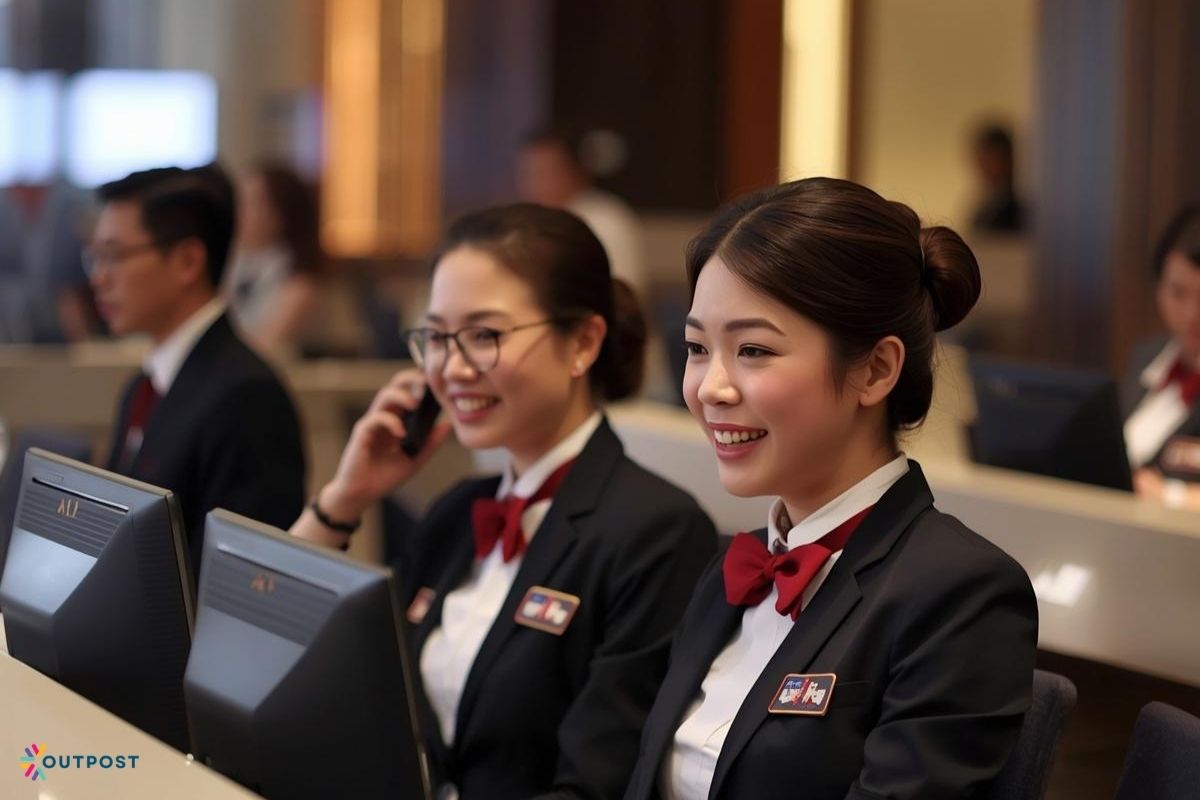
VoIP-enabled outsourced monitoring is transforming how hotels in Singapore manage guest communications through advanced business VoIP solutions.
By combining cloud-based phone systems with specialised external teams, hotels achieve 24/7 responsiveness, cost efficiency, scalability, and compliance.
This model ensures every guest interaction is captured and handled professionally, making it a critical enabler of modern, high-quality hospitality service in a competitive market.
About the Author: Tansi G